In a world where searchers often get their answers without ever clicking, traditional keyword strategies are no longer enough. This article breaks down the shift toward zero-click SERPs and what it means for modern keyword research. Expect new rules, new tools, and a more innovative, intent-first approach to visibility.
Introduction: The Clickless Shift

According to SparkToro, over 50% of Google searches now end without a click. On mobile devices, that number jumps even higher, especially with voice searches and AI overviews delivering instant answers.
We’re witnessing a fundamental shift in how people interact with search engines.
Once, SEO was about winning the click. You’d rank for a keyword, users would find your result, and traffic would follow. Simple. Predictable. Rewarding.
But now? You can rank #1… and still walk away with nothing.
This is the zero click phenomenon, and it’s not a trend. It’s the new normal.
Why does this matter?
Because if fewer users are clicking, that changes everything.
It rewrites how we do keyword research, how we measure success, and even why we publish content at all.
So, what does keyword research look like in a world where ranking doesn’t guarantee traffic?
Once upon a time, ranking #1 on Google meant everything: clicks, traffic, and conversions. But now? You can rank #1 and still get zero clicks.
Welcome to the Zero Click Era, where users are served answers directly in search results, AI overviews offer summarized responses, and Google becomes a destination rather than a gateway.
If you’re still doing keyword research the old way, volume + difficulty = strategy, then it’s time to update your playbook.
We will explore what’s changed, why it matters, and how to adapt your keyword research strategy to stay competitive in today’s search landscape.
What Is a Zero-Click Search?
What Is a Zero Click Search?
A zero-click search happens when a user gets the answer they need directly on the search engine results page (SERP), without ever clicking through to a website. That’s right: no visit, no traffic, no opportunity to engage.
Some examples of Zero-Click SERPs includes:
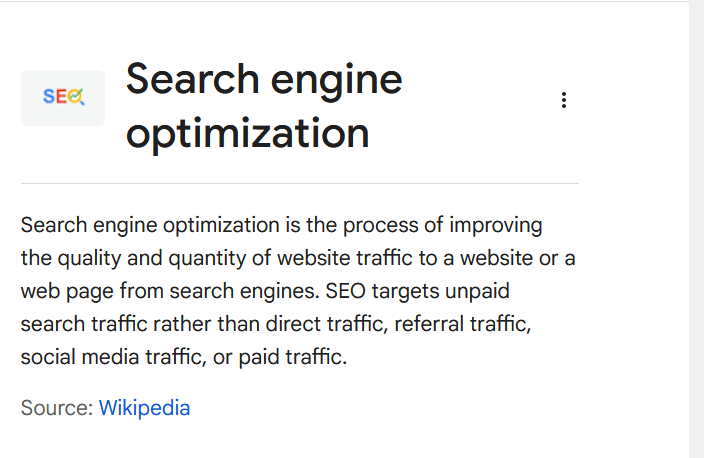
“Definitions: “What is SEO?” → Instant snippet answer.
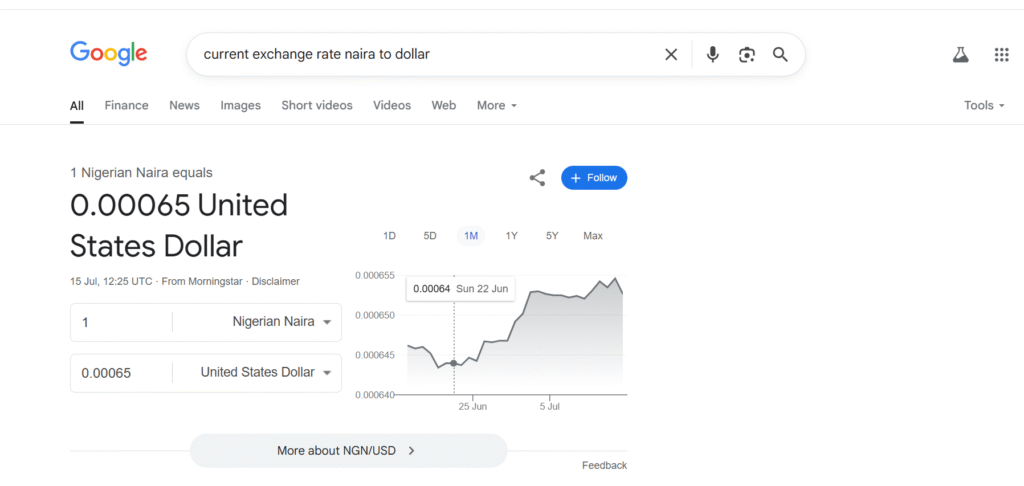
Calculators : “Exchange Rate calculator” → Interactive tool appears above results.
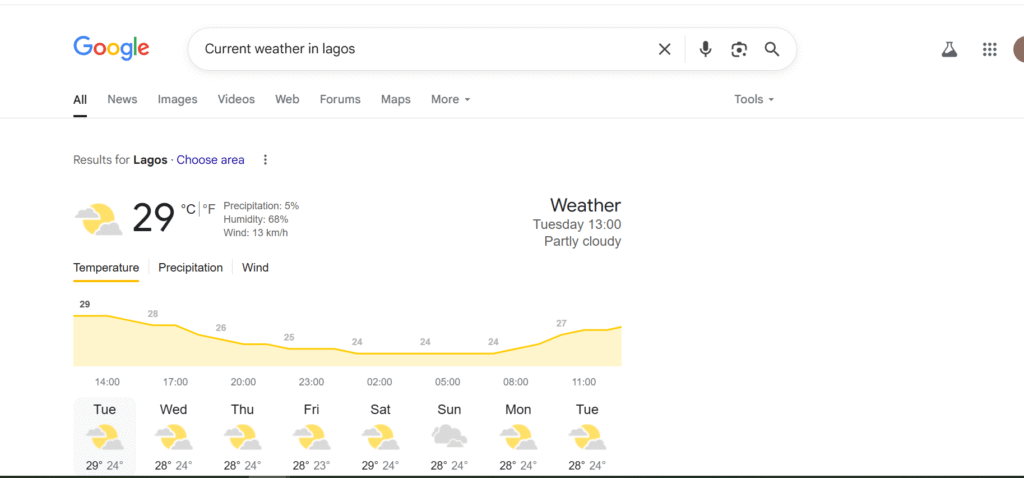
Quick facts — “Lagos weather” → Google serves it right there.
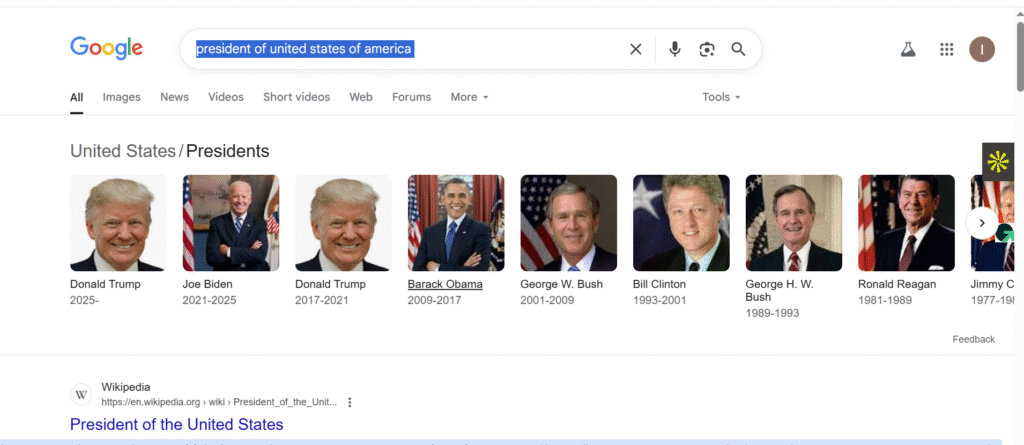
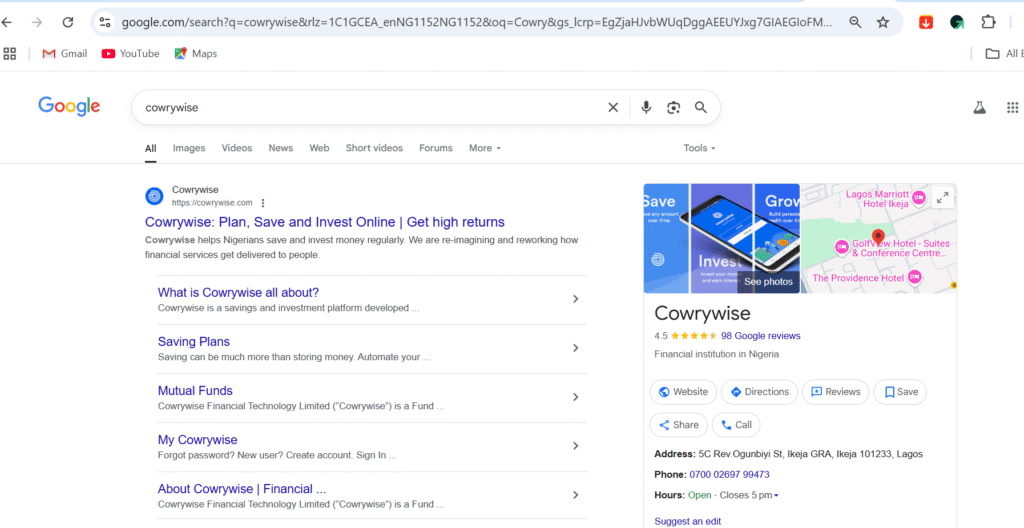
Knowledge Panels : Searches for public figures, companies, or historical events.
People Also Ask : AI-driven Q&A that keeps users inside the SERP loop.
Local Packs : Maps, business hours, and reviews right at the top.
These features are really helpful for users, but for content, they are a nightmare for creators, marketers, or businesses who are really hoping for that precious click-through.
Google as an “Answer Engine”
This shift isn’t accidental.
Google has gradually evolved from being a search engine (a gateway to websites) to an answer engine designed to retain users within its ecosystem as long as possible.
With the rise of AI generated overviews, voice search, and smart snippets, Google is no longer just pointing users to sources; it’s becoming the source.
The result?
A growing chunk of your potential audience never even sees your site. In 2024, over 65% of searches were considered zero click. This number is likely to rise as AI tools become more integrated into search.
Why Traditional Keyword Research Fails in This Landscape
For years, keyword research revolved around a few core metrics. You would miss out on today’s search if you still solely relied on these core metrics. These metrics include:
1. Search Volume:
How many people are searching for this? Volume doesn’t mean clicks. That juicy 20K monthly search keyword? It might be answered entirely in a snippet. If users are getting what they need without clicking, you’re optimizing for traffic that never lands.
2. CPC Value:
How much are advertisers willing to pay? The intent can be misread. Old-school keyword research focuses on “what people are searching.” But the question now is, “Why are they searching, and are they satisfied with SERP results alone?” You must match intent with experience, and sometimes, the best experience is not ranking but being cited in an AI answer or winning a featured snippet.
3. Keyword Difficulty:
How hard is it to rank? Clicks are great, but what about visibility? Zero click doesn’t mean zero value. If your brand appears as an answer source, that’s top-of-funnel trust being built, even without a direct visit.
And don’t get me wrong, all these metrics still matter. But on their own? They’re a bit outdated in today’s zero click world.
What’s Missing in the Traditional Approach
Today’s SERPs are layered, dynamic, and fragmented. Relying solely on volume and difficulty means ignoring the actual user journey and what Google is displaying on the page.
Here’s what old-school research overlooks:
Click-Through Potential: Not every ranking gets clicks. A featured snippet above you? Would definitely result in Zero click.
SERP Intent Classification: Are users looking for a quick fact, a product, a deep guide or never planning to click at all?
Visibility Beyond #1: Ranking #1 means less when the SERP is crowded with AI overviews, People Also Ask, maps, and media cards.
A New Mental Model: From “Ranking” to “Owning Attention Zones”
Instead of obsessing over where your content ranks, focus on how your brand shows up on the SERP.
Ask yourself:
- Can I own the snippet?
- Will my content appear in People Also Ask?
- Can I be the source referenced by AI Overviews?
- Will my image, video, or FAQ pull attention away from the noise?
This is about owning attention zones, not just rankings. Because in a zero-click world, it’s not who’s ranked first—it’s who’s seen, trusted, and remembered.
The New Keyword Research Playbook
If you want to thrive in a zero-click world, here’s what to focus on:
1. Cluster Your Content Around Topics, Not Just Keywords
Instead of chasing isolated keywords, build topic clusters that satisfy entire journeys.
Use keyword variations, sub-questions, related intents, and semantic siblings.
Think:
- Pillar Page: “SaaS Pricing Models”
- Cluster Content: “Freemium vs Tiered,” “How to Raise Prices,” “Psychology of SaaS Discounts”
Search engines are now evaluating topical depth, not just term usage.
2. Target Featured Snippets & AI Overviews
Optimize your content to answer questions concisely and clearly. Use:
- Short paragraph answers (40–60 words)
- Lists or tables when relevant
- Schema markup
- Fresh data and quotes that AI models can pull from
This improves your chance of being selected as the summary source in zero click experiences.
Map Search Intent Deeply
Not all informational queries are created equal. Break intent into:
- Know (awareness)
- Do (action-oriented)
- Compare (evaluation stage)
- Local/Transactional
And ask, can this query be fully answered in the SERP? If yes, focus on brand recall. If no, optimize for conversion.
Think Beyond Google
Google’s still the king but users are also searching:
- On TikTok
- Inside ChatGPT
- On Reddit or YouTube
- Using voice assistants
Do keyword research where your audience is searching. What questions are being asked on YouTube? What answers are Reddit upvoting? That’s search demand, too.
Measure What Matters (Not Just Clicks)
In a zero click world, success isn’t just measured in pageviews.
New KPIs might include:
- Featured snippet appearances
- Brand mentions in AI overviews
- “Impressions” vs “Clicks” in Google Search Console
- Dwell time and user engagement on page
SEO isn’t dying. It’s evolving. So must your metrics.
The Emotional Shift: From Control to Contribution
Keyword research used to feel like power: rank high, dominate SERPs, collect traffic.
Now, it feels uncertain. Even when you win, you don’t always get the click.
That’s frustrating. But here’s the shift:
Today’s keyword strategy is less about control and more about contribution.
Your job isn’t to own the click, it’s to deserve the mention.
To be so clear, so useful, and so relevant that Google’s AI or a user’s query tool picks you as the source.
Visibility > Virality.
Relevance > Ranking.
Trust > Traffic.
Conclusion: Adapt or Get Forgotten
The Zero-Click Era is here and it’s not going away.
If you want to thrive:
- Shift from keywords to topics
- Write for AI and humans
- Prioritize helpfulness over hackiness
- Get comfortable being the answer, not the destination
The brands that adapt will still win.
But the ones clinging to old metrics? They’ll vanish from view even when they rank.
Are you still measuring success by clicks?
Maybe it’s time to redefine what winning looks like.

Leave a Reply